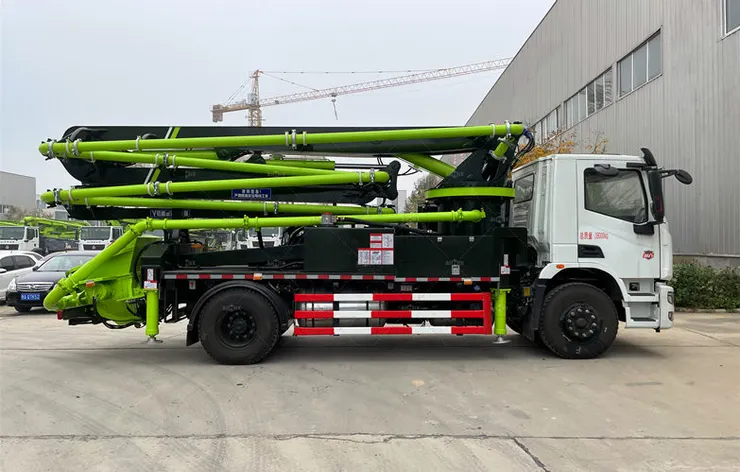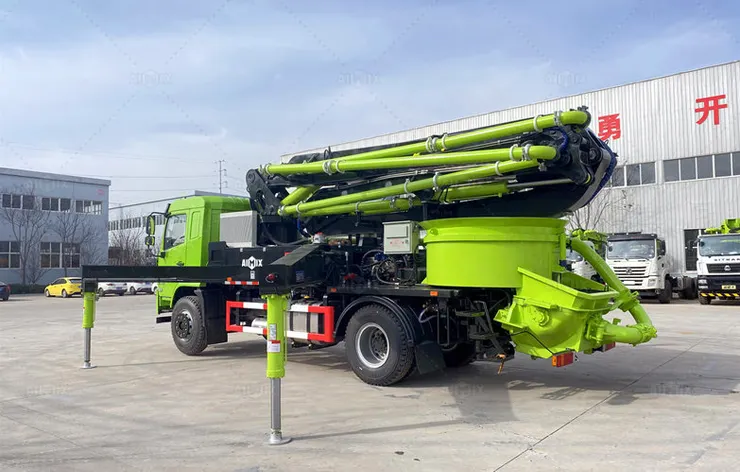
This guide provides a comprehensive maintenance checklist for concrete pump with boom in the USA, covering daily, weekly, and long-term care to ensure peak performance, safety, and longevity.
Why Maintenance is Critical for Boom Pumps in the USA
1.1 Common Issues in American Construction Sites
Harsh Weather Conditions (freezing winters, desert heat, coastal humidity)
High-Demand Projects (continuous pumping strains components)
Regulatory Compliance (OSHA and DOT safety standards)
1.2 Consequences of Poor Maintenance
⚠️ Boom Failure – Sudden collapse risks worker safety.
⚠️ Hydraulic Leaks – Environmental fines (EPA regulations).
⚠️ Clogged Pipelines – Project delays and repair costs.
Daily Maintenance Checklist for Boom Pumps
2.1 Pre-Operation Inspection
✅ Check Hydraulic Fluid Levels
Low fluid → pump overheating & system failure.
Use high-quality, temperature-resistant hydraulic oil (ISO 46 or AW 68).
✅ Inspect Boom Structure
Look for cracks, rust, or loose bolts in the boom arms.
Ensure slew ring bearings are properly greased.
✅ Examine Pipeline & Couplings
Remove hardened concrete residue from previous pours.
Tighten all clamps and seals to prevent leaks.
✅ Test Safety Systems
Emergency stop button.
Boom limit switches.
2.2 During Operation
🚧 Monitor Pressure Gauges
Normal range: 10-30 MPa (varies by model).
Sudden spikes indicate blockages or pump strain.
🚧 Listen for Unusual Noises
Grinding sounds → Worn bearings or misaligned parts.
Hissing → Hydraulic leaks.
2.3 Post-Operation Cleaning
✔ Flush the Pump System
Use clean water or a concrete pump USA cleaner to remove concrete residue.
Avoid high-pressure jets near seals.
✔ Lubricate Moving Parts
Grease the boom joints, outriggers, and rollers (use lithium-based grease).
✔ Store Properly
Retract and secure the boom to prevent wind damage.
Cover exposed pipes if left outdoors.
Weekly & Monthly Maintenance Tasks
3.1 Hydraulic System Care
🔧 Change Hydraulic Filters
Every 250-500 hours (or per manufacturer’s recommendation).
Clogged filters → pump inefficiency & overheating.
🔧 Inspect Hoses & Fittings
Replace cracked or bulging hoses immediately.
Check for leaks at valve connections.
3.2 Boom & Pipeline Deep Cleaning
🔧 Remove Built-Up Concrete
Use a pipeline cleaning ball or chemical dissolver.
Inspect elbows and reducers for wear.
🔧 Check Wear Parts
Pipeline wear indicators (replace if thickness < 3mm).
Piston cups & seals (swap every 6-12 months).
3.3 Electrical & Control Systems
🔧 Test Remote Control & Sensors
Ensure wireless remotes have fresh batteries.
Calibrate boom positioning sensors.
🔧 Inspect Wiring Harnesses
Rodents and weather can damage cables.
Long-Term Maintenance (Every 1,000+ Hours)
4.1 Major Component Overhaul
🛠 Rebuild the Hydraulic Pump
Worn pistons or swash plates reduce efficiency.
🛠 Replace Slew Ring Bearings
Critical for smooth boom rotation.
🛠 Inspect Frame & Outriggers
Cracks or corrosion weaken structural integrity.
4.2 Fluid & Coolant Replacement
🛠 Engine Oil & Coolant
Follow manufacturer’s intervals (typically 500-1,000 hours).
🛠 Gearbox Oil (if applicable)
Common in older Schwing/Putzmeister models.
Seasonal Maintenance for US Climates
5.1 Winter (Northern States)
❄ Use Antifreeze in Cooling Systems
Prevents engine block cracks in freezing temps.
❄ Store Indoors or Use Engine Block Heaters
Cold starts damage hydraulics.
5.2 Summer (Southern States)
☀ Monitor Overheating Risks
Clean radiators & cooling fins regularly.
☀ Check Tire Pressure (for truck-mounted pumps)
Heat increases PSI → risk of blowouts.
Safety & Compliance in the USA
6.1 OSHA Requirements
⚠ Annual Boom Inspections – Certified engineers must check structural integrity.
⚠ Operator Training – OSHA 10-Hour Construction Safety Certification.
6.2 EPA & DOT Regulations
⚠ Hydraulic Spill Prevention – Fines up to $50,000 for leaks.
⚠ Transport Permits – Oversize boom pumps need state DOT approval.
Recommended Spare Parts to Keep On-Site
Part Replacement Frequency Cost (USD)
Hydraulic Filters Every 500 hours 50-150
Pipeline Elbows Every 1-2 years 200-500
Piston Seals Every 6-12 months 100-300
Grease (Tube) Monthly 20-50
Conclusion: Maximizing Uptime & Longevity
Key Takeaways:
✔ Daily checks prevent 80% of failures (fluids, leaks, wear).
✔ Weekly deep cleaning avoids clogs & corrosion.
✔ Long-term overhauls save costly repairs.
Final Tip:
Invest in a preventive maintenance contract with a local dealer (e.g., Schwing America, Putzmeister USA) for expert servicing.