Introduction
As technology advances at an unprecedented pace, the way we design, visualize, and present interior spaces is experiencing a profound transformation. At the center of this shift is AI Render Generator, an emerging workflow that is redefining how architects and designers translate ideas into immersive spatial visuals.
Now imagine this: the interior you’re about to see was not produced through traditional 3D modeling, manually built assets, or on-site photography. Surprising, isn’t it?Consider the possibility of creating a fully realized interior render—not from a detailed 3D model, but from a simple AI prompt. This is the reality of contemporary visualization, where intelligent tools replace hours of manual production while still delivering refined, photorealistic results. When you examine the final image, it feels deliberate, atmospheric, and professionally composed… yet no camera ever captured the space, and no physical model was constructed.
In this article, I’ll walk you through exactly how this interior space was created—from the ReRender AI tools involved to the step-by-step workflow—and explore what this new era of AI Render Architecture means for designers, architects, and the future of digital visualization in interior design and public-space storytelling.
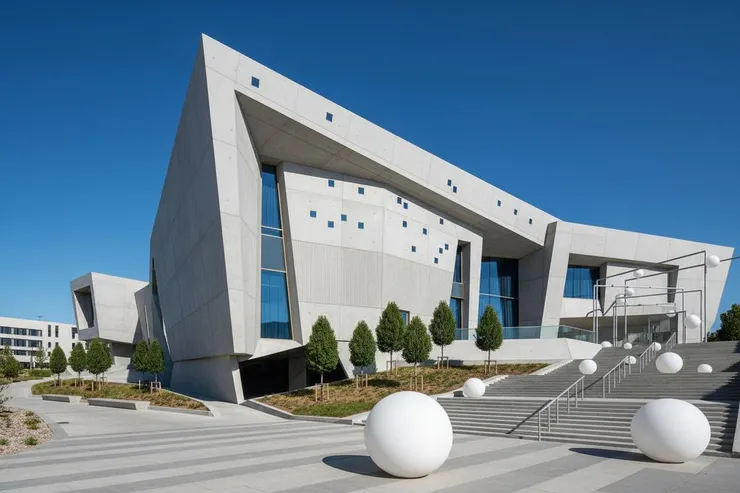
ReRender
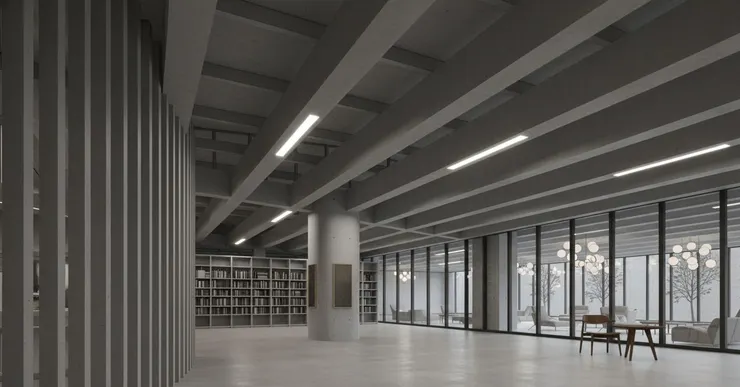
ReRender

ReRender
Step 1: Gemini generates SketchUp 3D model
To initiate the AI Render Generator workflow, the process began with the generation of a SketchUp 3D model using Gemini. A carefully selected reference image was provided to convey the desired spatial atmosphere, circulation logic, and architectural character—including elements such as generous ceiling heights, linear lighting systems, platform organization, and the rhythm of the passenger concourse. This visual reference, combined with a concise textual prompt outlining the intended layout, material language, and functional zoning, allowed Gemini to interpret the spatial intent and underlying geometry with clarity. The result was a clean, SketchUp-ready 3D model that captured the essential architectural qualities of a contemporary railway station interior, providing a flexible and editable base for subsequent visualization and refinement.
Prompt
Generate a 3D SketchUp model of architecture/interior inspired by this reference image.


Step 2: Upload the Reference Photos
At this stage, a curated set of reference images is introduced to the AI Render Generator to define the visual language and spatial atmosphere of a contemporary museum. These references communicate essential architectural qualities—gallery proportions, circulation sequences, material expression, and lighting strategy—allowing the AI to interpret curatorial intent with greater precision. From expansive exhibition halls and controlled daylighting systems to minimalist display structures and refined surface textures, each image serves as a visual benchmark. By grounding the automated workflow in carefully selected museum precedents, the AI-generated render achieves an ArchDaily-level visual standard, capturing both the spatial clarity and the contemplative experience characteristic of modern cultural architecture.
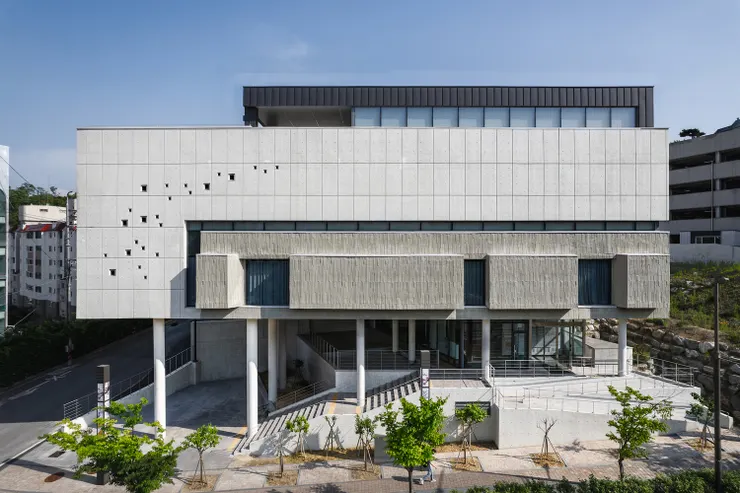
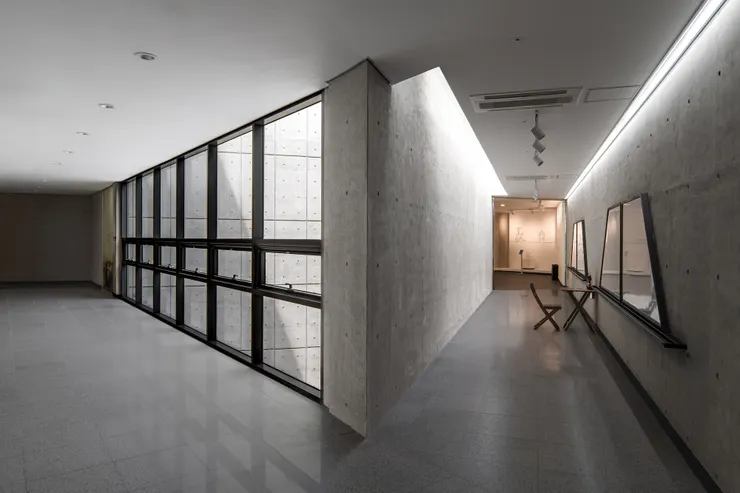

ReRender
Step 3: Start the Rendering Process
With the SketchUp model and reference imagery in place, the rendering process is initiated through the AI Render Generator, where automation takes the lead in translating architectural intent into visual form. ReRender AI analyzes the museum’s spatial geometry, interprets material cues, lighting conditions, and curatorial references, and synthesizes them into a cohesive, photorealistic visualization. Within moments, the system produces a refined interior scene—capturing expansive gallery volumes, structural clarity, controlled daylighting, exhibition surfaces, circulation paths, and the subtle atmospheric qualities that define contemporary museum architecture. The result is a visualization that meets ArchDaily-level standards, demonstrating how automated rendering can faithfully convey both spatial logic and experiential depth.

ReRender
Conclusion
I continue to be struck by how rapidly technology is transforming the way we design, visualize, and communicate complex architectural spaces. The emergence of the AI Render Generator, exemplified by tools such as ReRender AI, demonstrates that AI Render Generator workflows do more than accelerate production—they expand the boundaries of architectural imagination and visual storytelling. What once required extensive modeling, large teams, and prolonged rendering cycles can now be achieved in minutes, allowing designers to redirect their focus toward spatial narrative, visitor experience, and the atmospheric qualities essential to contemporary museum architecture. This evolution serves as a reminder that innovation is not solely about speed or automation, but about restoring creative momentum and rethinking how ideas take form. As these tools continue to evolve, they deepen our understanding of digital design and reveal new ways AI can bring cultural spaces to life with clarity, intention, and emotion.
AI Render Generator: https://rerenderai.com/