Introduction
If you are searching for a render AI tool free to use, you are not alone. Designers, architects, and developers are increasingly looking for free or low-cost AI rendering tools to quickly visualize ideas without investing in expensive software. In 2026, AI-powered rendering has become more accessible than ever, offering fast and realistic results for both beginners and professionals.
For commercial and office building projects, rendering speed and visual clarity are critical. Whether it is an office lobby, retail space, or mixed-use commercial building, AI rendering tools help teams present concepts clearly to clients and stakeholders. A render AI tool free option allows early-stage design exploration, layout testing, and style variations without increasing project costs or extending timelines.Among the available solutions, ReRender AI has gained attention as a practical AI rendering tool for architectural and interior visualization. It supports commercial and office building scenarios by transforming basic 3D models or reference images into high-quality renders within minutes. For users looking for a render AI tool free or freemium solution, ReRender AI offers an efficient way to test AI-assisted rendering before committing to a full production workflow.

ReRender
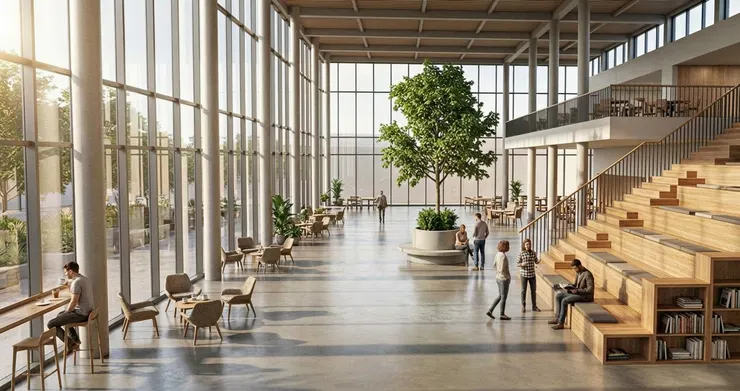
ReRender
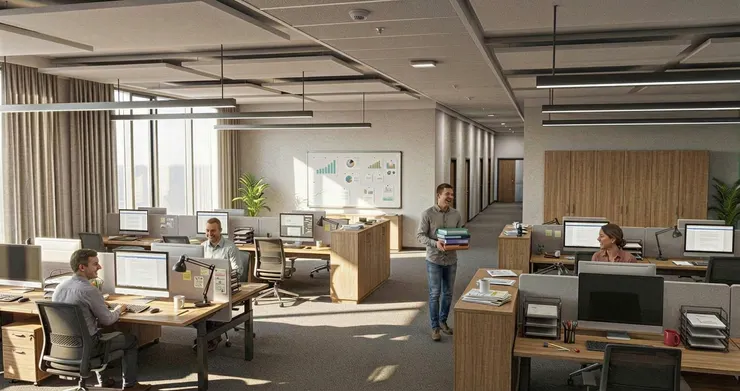
Step 1: Uploading the Revit Model
The first step in using ReRender AI for commercial and office building projects is uploading the Revit model. Designers can export their Revit files or related views and upload them directly to the platform, allowing the AI to understand the building’s geometry, layout, and spatial relationships. This step creates a solid foundation for AI rendering, ensuring that the generated visuals remain consistent with the original architectural intent while significantly reducing the time required for manual setup and traditional rendering workflows.

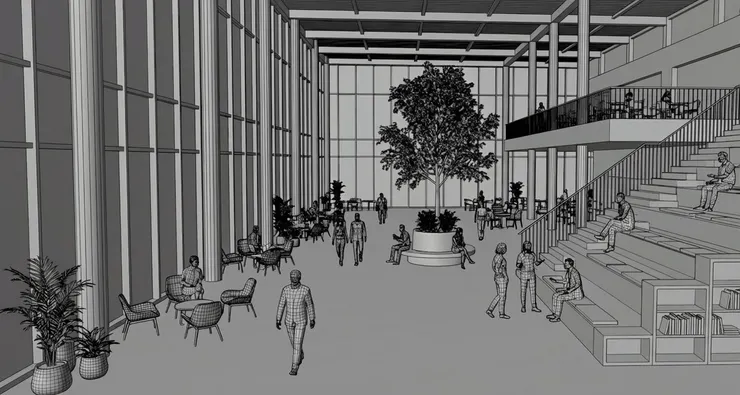
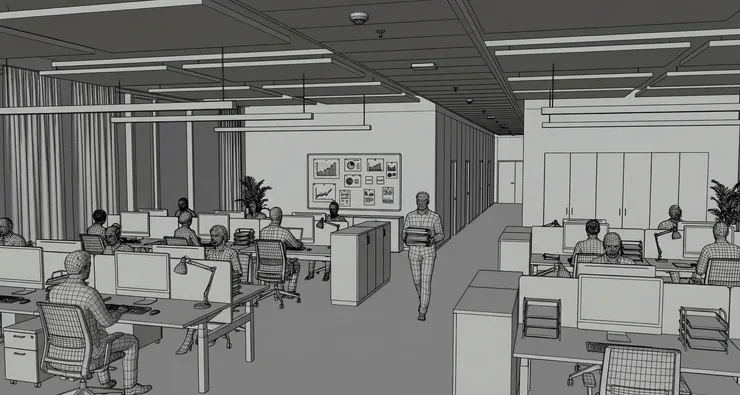
Step 2: Uploading the Reference Photos
After uploading the base model views, the next step is to provide reference photos that define the desired visual direction. For office building projects, these references often include facade materials, lighting atmosphere, interior workspace styles, or contextual urban surroundings. High-quality reference images help guide the AI in understanding design intent, ensuring that the generated visuals align with architectural expectations rather than producing generic results.

ReRender
Step 3: Generating and Refining AI Renders
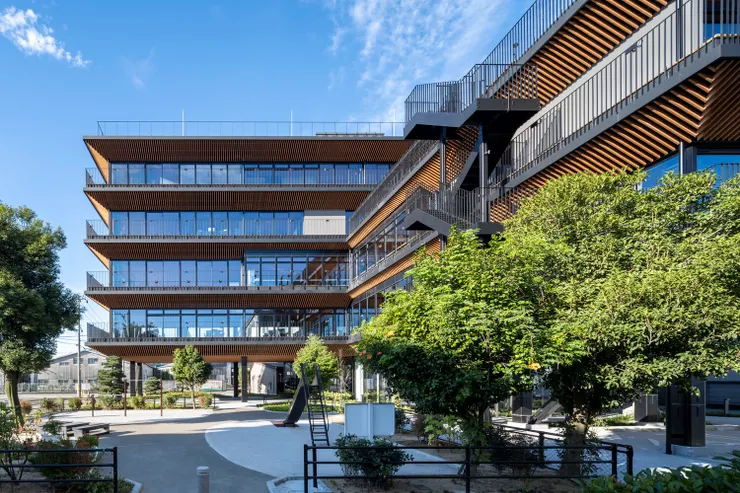
Once the model and reference photos are uploaded, users can begin generating and refining AI renders. ReRender AI quickly produces multiple visual variations based on the provided inputs, allowing designers to review different lighting conditions, material combinations, and spatial moods. For commercial and office building projects, this refinement stage is especially valuable, as teams can adjust details, regenerate renders, and compare options in minutes, enabling faster design decisions and more effective communication with clients and stakeholders.
Conclusion
A render AI tool free solution can significantly improve the way commercial and office building projects are visualized and developed. By reducing rendering time and lowering technical barriers, AI-powered tools make high-quality visualization more accessible to architects and designers at every stage of a project. With its ability to transform Revit models and reference images into realistic renders, ReRender AI provides practical support for faster decision-making, clearer communication, and more efficient design workflows. For professionals exploring AI rendering in 2026, using a render AI tool free or freemium option is a positive step toward smarter, more flexible architectural visualization.
Render AI tool free: https://rerenderai.com/