Introduction
Render AI landscape is changing how landscape designers visualize outdoor spaces. By combining artificial intelligence with landscape design rendering, designers can generate realistic scenes faster than traditional rendering workflows. Instead of spending days refining lighting, materials, and vegetation, AI-powered landscape rendering enables rapid iteration and clearer design communication.
From small outdoor spaces to large-scale landscape projects, render ai landscape helps designers explore multiple design directions efficiently while reducing production time and cost.What Is Render AI Landscape?
Render ai landscape refers to the use of artificial intelligence to generate visual representations of outdoor and landscape designs. Instead of relying solely on traditional 3D rendering pipelines, render ai landscape workflows use AI models to interpret landscape models, reference images, and design intent to produce realistic scenes. This approach allows landscape designers to visualize concepts more efficiently while maintaining flexibility during early design stages.
Why Render AI Landscape Matters for Landscape Design
Render ai landscape matters because landscape design often requires frequent iteration and clear visual communication. Traditional landscape rendering can be time-consuming, especially when adjusting lighting, vegetation, or spatial atmosphere. AI rendering for landscape design enables designers to explore multiple design options quickly, making it easier to test ideas, communicate with clients, and reduce the overall time spent on visualization.
Real-World Render AI Landscape Cases
In real-world projects, render ai landscape is commonly used to visualize outdoor spaces such as coffee shop terraces, public plazas, and small urban landscapes. Designers often start with a basic landscape model created in SketchUp, then apply AI rendering to generate multiple visual styles. This workflow helps transform simple models into realistic landscape renderings that support design decisions and presentations without extensive manual rendering work.

ai landscape rendering result generated with render ai landscape

alternative ai landscape rendering style using render ai landscape
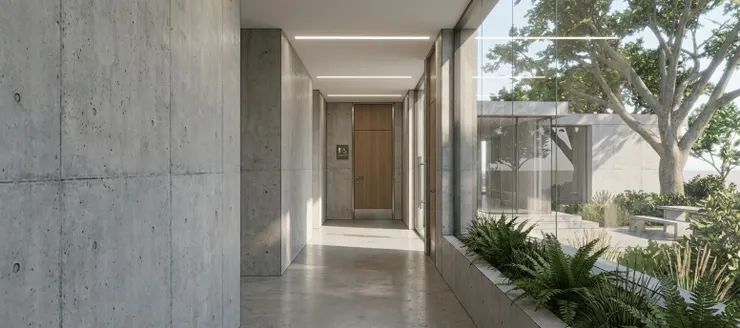
detailed ai landscape visualization created with render ai landscape
How to Use Render AI Landscape: 3-Step Workflow
Step 1: Upload Landscape Model
The first step in a render ai landscape workflow is uploading a basic landscape model. This model can be created using tools like SketchUp and does not require detailed materials or lighting. Simple geometry is often enough for AI rendering to understand spatial relationships, making it easier to generate flexible landscape design visuals during early design stages.
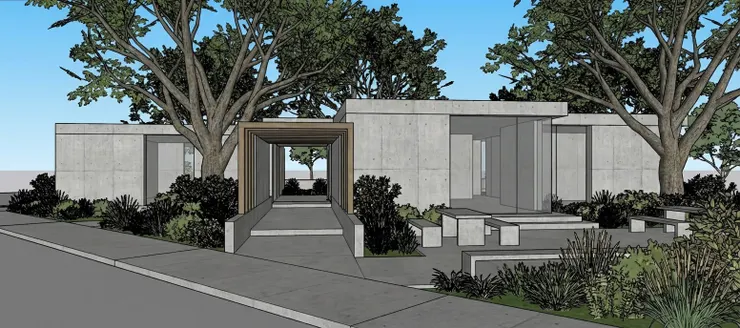
basic landscape model used in render ai landscape workflow

Step 2: Add Reference Photos
After uploading the model, reference photos are used to guide the AI rendering process. These images may include vegetation styles, outdoor materials, lighting moods, or real-world landscape examples. By providing visual references, render ai landscape systems can better interpret design intent and produce landscape renderings that match the desired atmosphere and style.
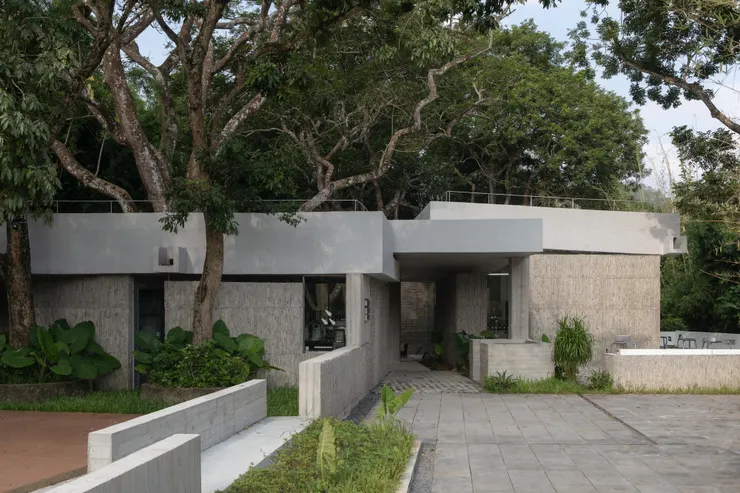
reference photo guiding ai rendering for landscape design

Step 3: Generate AI Landscape Rendering
Once the model and references are ready, the AI generates the landscape rendering. Designers can quickly produce multiple variations to compare different design directions. This step allows render ai landscape workflows to support fast iteration, helping landscape designers refine concepts, communicate ideas clearly, and prepare visuals for presentations or client reviews.
Render AI Landscape FAQs
What is render ai landscape used for in landscape design?
Render ai landscape is used to quickly generate visual representations of outdoor and landscape designs using artificial intelligence. It helps landscape designers transform basic models or concepts into realistic renderings, making it easier to explore design ideas, communicate concepts, and support decision-making during early and mid-stage landscape design processes.
Is render ai landscape suitable for professional landscape designers?
Yes, render ai landscape is suitable for professional landscape designers, especially during conceptual and schematic design phases. AI rendering allows designers to test multiple landscape design directions efficiently without replacing traditional workflows. It works best as a complementary visualization tool that supports faster iteration and clearer communication.
Can render ai landscape replace traditional landscape rendering?
Render ai landscape does not fully replace traditional landscape rendering, but it significantly reduces the need for time-consuming manual rendering in early stages. Traditional rendering remains valuable for final presentations, while AI rendering for landscape design is more effective for rapid exploration, concept validation, and early client feedback.
Conclusion
Render ai landscape provides landscape designers with a faster and more flexible way to visualize outdoor spaces. By combining AI rendering with landscape design workflows, designers can explore ideas, test variations, and communicate concepts more efficiently than traditional rendering methods. As AI continues to evolve, render ai landscape will remain a valuable tool for supporting early-stage design decisions and improving landscape visualization processes.