Let’s be blunt: the EB-5 landscape in 2026 feels absolutely nothing like the "wild west" era we saw a decade ago. We’ve finally moved into what I call the "Golden Age" of the program. Thanks to the EB-5 Reform and Integrity Act of 2022, the industry has the guardrails and long-term stability that high-net-worth families have spent years begging for. But here’s the kicker: picking eb5 investment projects today isn't just a matter of "parking" cash in a skyscraper. It has evolved into a high-stakes chess match involving specific visa set-asides, lightning-fast processing speeds, and granular financial audits.
If you want to win this year, you need an "Immigrant First" mindset. You have to see past the glossy marketing decks. Your absolute priority? Projects that hit the magic number of 10 permanent jobs while keeping your capital from disappearing.
I. Scoping Out the 2026 EB-5 Scene
Right now, you’re basically standing in front of two doors: Regional Centers or Direct EB-5. Most people—roughly 95%—still choose the Regional Center route. The logic is simple: they let you count "indirect" and "induced" jobs. That’s the economic ripple effect a construction project has on the local neighborhood. It makes hitting your job creation quota significantly less stressful than trying to manage ten full-time, direct W-2 employees on your own.
In early 2026, the "entry fee" for the American dream is:
- $800,000 for Targeted Employment Areas (TEA) or specific infrastructure deals.
- $1,050,000 for standard, non-TEA urban developments.
Most top-tier eb5 investment projects currently focus on real estate, hospitality, or infrastructure. These are the "bread and butter" of the program. They offer physical, tangible assets—think buildings, bridges, and hotels. That kind of collateral provides a level of comfort that a Silicon Valley tech startup simply cannot offer.
Why "Rural" is the Speed King
Hate waiting in line? Then pay attention to Rural TEA investments. The 2022 RIA carved out 20% of the total annual visa quota specifically for rural zones, and the results have been a massive game-changer for speed.
- Priority Adjudication: The government is now legally forced to move faster on rural petitions. For the latest updates on EB-5 visa processing times, some rural investors are seeing their initial approvals in mere months, which was unheard of three years ago.
- Zero Backlogs: If you’re from a country like China or India that usually deals with decades of waiting, the rural category is your lifesaver. It stays "Current" on the Visa Bulletin. You essentially get to jump to the front of the line.
- Real Business Cases: We aren't just talking about empty farmland. Modern rural projects include luxury ski resorts and essential utility infrastructure. These are legitimate, profit-seeking business ventures that make financial sense regardless of the visa
The Urban Alternative: High-Unemployment TEAs
Urban redevelopment project in a high-unemployment targeted employment area representing EB-5 investment opportunities for city-based investors
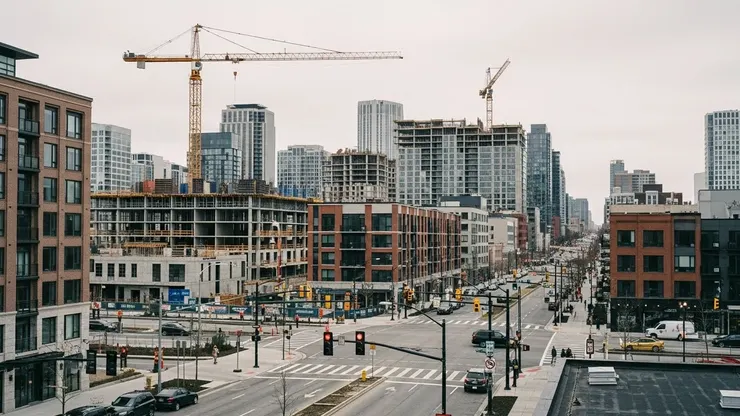
Not everyone wants to invest in the mountains or the countryside. For city lovers, there’s a 10% set-aside for High-Unemployment TEAs. These projects sit in urban pockets where the local economy needs a boost—usually defined by unemployment rates 150% above the national average.
While you don’t get the "priority processing" speed of a rural deal, these are still gold for people already living in the U.S. If you’re here on an H-1B or F-1 visa, you can do what’s called "concurrent filing." It is a massive perk. It allows you to apply for your Green Card and a work permit (EAD) at the same time, giving you the freedom to work for any employer while your case winds through the system.
Vetting the Deal: Due Diligence That Actually Matters

At the end of the day, your "exit strategy"—how you get your money back—is the only thing that matters after the visa is secured. When you're looking at various eb5 investment projects, you have to separate your homework into two piles:
1. The Immigration Checklist
- I-956F Status: Never touch a project unless it has an "exemplar" approval or a very clear, documented path toward one.
- The "Job Cushion": You need breathing room. If a project creates exactly 10 jobs per investor, any minor construction delay could kill your residency. I always look for a 20-30% cushion.
- Sponsor Track Record: Demand the raw numbers. How many I-829s have they cleared? Have they ever defaulted on a repayment?
2. The Financial Hard Facts
- The Capital Stack: Where does your money sit? Are you the "Senior Secured Loan" (first in line for repayment) or "Preferred Equity" (waiting behind the banks)? Senior debt is almost always the safer play.
- Developer Equity: Ensure the developer has at least 15-20% of their own "skin in the game."
- Third-Party Oversight: High-quality projects now use independent fund administrators. It’s a vital layer of protection to make sure your money doesn't get "borrowed" for other projects.
Staying "At Risk" Without Losing Sleep
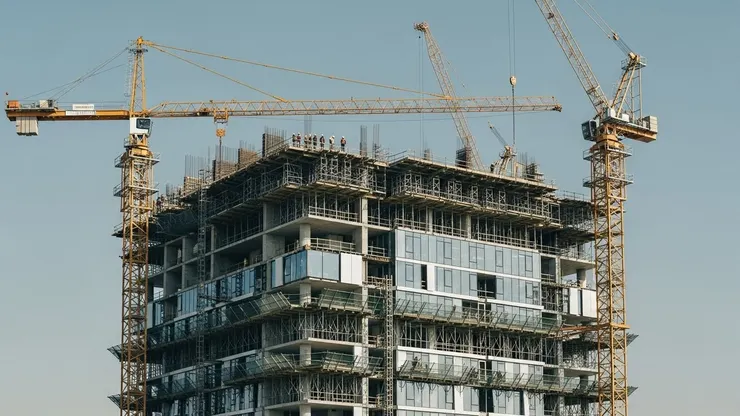
USCIS rules are clear: your money must be "at risk." This doesn't mean it has to be a gamble, but you can't have a guaranteed buy-back or a zero-risk return. In 2026, the best projects use "completion guarantees" to ensure the building actually gets finished—which is where the jobs come from. You also have to keep that capital "invested" for at least two years to satisfy the sustainment requirements. It's a balancing act between legal risk and financial safety.
FAQs: What Investors are Asking in 2026
What’s the actual minimum buy-in right now?
It is $800,000 for TEAs and $1.05 million for everything else. But don't forget to budget for the $50k-$80k in administrative fees Regional Centers charge on top.
Is the process really as fast as people say?
It depends. Rural projects are moving at lightning speed (6–12 months for initial approval). Urban projects take longer, but "concurrent filing" if you're already in the States makes the wait much easier to handle.
Can I use gifted money from my parents?
Absolutely. Gifted funds are very common. The key is the "Source of Funds" (SOF) audit. You have to prove exactly how the donor earned that money—salary, property sales, or investments. No shortcuts here.
What happens if the project goes bankrupt?
If the jobs aren't created, you lose the Green Card. Period. This is why the "job cushion" and the developer's track record are the two most important things you can look at.
Wrap Up
The 2026 EB-5 landscape is arguably the most secure it has ever been. Whether you’re chasing the speed of a rural project or the familiarity of an urban skyscraper, the key is doing your own homework.