Building highways that last requires top-quality asphalt. The right asphalt mixing plant ensures durability, smoothness, and long-term performance. But what solutions work best for producing high-performance asphalt? This guide explores the key factors and the best equipment for the job.
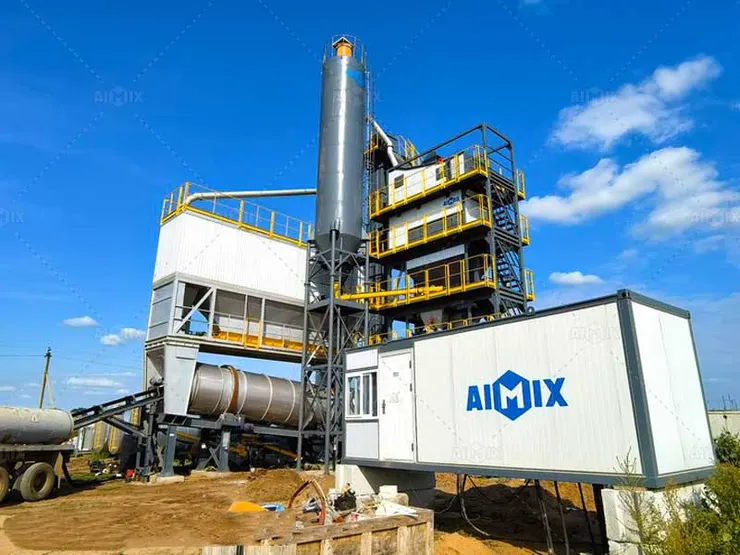
Why Choosing the Right Asphalt Mixing Plant Matters
Highway asphalt must withstand extreme conditions. Heavy traffic, temperature fluctuations, and environmental factors all impact road quality. Using a subpar asphalt plant can lead to premature cracks, potholes, and costly repairs. That’s why selecting the right mixing plant is crucial for achieving high performance and long-term durability.Key Factors in High-Performance Asphalt Production
Not all asphalt is the same. Producing high-performance asphalt requires precision, consistency, and efficiency. Consider these factors when choosing a plant:
- Mixing Technology: Advanced mixing techniques ensure uniform asphalt composition.
- Temperature Control: Proper heating maintains asphalt quality and workability.
- Material Quality: High-grade aggregates and binders enhance durability.
- Emission Control: Modern plants reduce environmental impact with dust and gas filtration.
With these factors in mind, let’s explore the best plant solutions available.
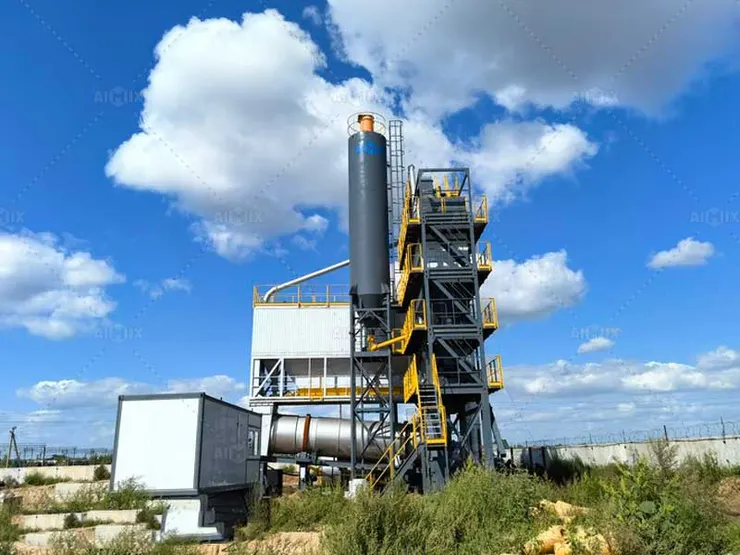
Types of Asphalt Mixing Plants for Highway Construction
Different projects require different plants. The two main types of asphalt plants are batch mix asphalt plants and drum mix plants. Each has its strengths and best-use cases.
Batch Mix Asphalt Plants
Batch plants mix asphalt in separate batches, ensuring high precision and flexibility. This type is ideal for highway construction that demands superior quality control. Key benefits include:
- Precise control over mix composition.
- Adaptability to different project requirements.
- High-quality output for heavy-duty roads.
Drum Mix Asphalt Plants
Drum mix plants produce asphalt continuously. The asphalt drum mixing plant is perfect for large-scale projects where speed and efficiency matter. Their advantages include:
- Faster production rates for high-volume demand.
- Lower operating costs and energy consumption.
- Minimal downtime, improving project timelines.
So, which one should you choose? The decision depends on project size, budget, and quality requirements.
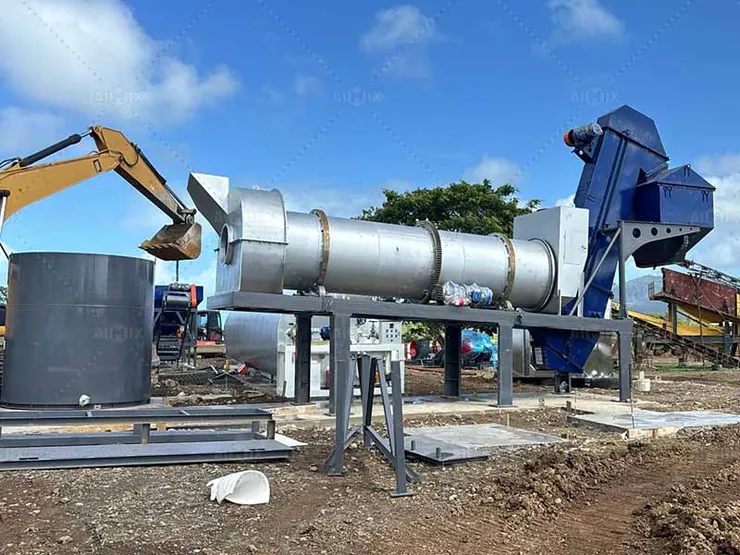
How to Select the Best Asphalt Mixing Plant for Your Highway Project
How to choose the best asphalt plant? Choosing the right asphalt plant isn’t just about the type. You must consider additional factors that impact performance and cost-effectiveness.
Production Capacity
Assess your project’s asphalt volume needs. A plant with too low capacity causes delays, while an oversized one increases operational costs.
Automation and Control Systems
Modern plants come with automated controls for better precision and efficiency. A user-friendly system reduces human errors and optimizes output.
Mobility vs. Stationary Setup
Mobile asphalt plants work best for projects requiring frequent relocation. Stationary plants are ideal for long-term highway projects with high asphalt demands.
Environmental Considerations
Look for energy-efficient plants with dust collection and low emissions. Sustainable solutions benefit both the environment and your project’s compliance requirements.
With the right plant in place, you ensure high-quality asphalt that meets all highway construction standards.
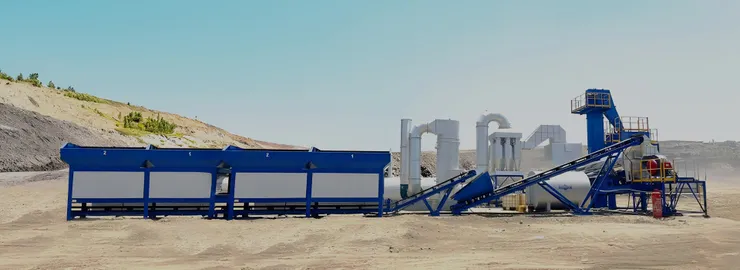
Why Choose Our Asphalt Mixing Solutions?
We understand the challenges of producing high-performance asphalt. Our asphalt mixing plants are designed for durability, efficiency, and sustainability. Whether you need a batch or drum mix plant, we provide customized solutions to match your project needs.
- High-precision mixing for superior asphalt quality.
- Advanced automation for easy operation.
- Energy-efficient and eco-friendly designs.
- Reliable after-sales support and technical assistance.
Want to build highways that last? Contact us today to find the perfect asphalt mixing plant for your project.