Rubber Tyred Gantry (RTG) cranes are essential lifting machines in modern ports, container yards, and intermodal facilities. They handle heavy loads, operate in complex environments, and require precise coordination between human operators and sophisticated systems. For these reasons, RTG crane manufacturers increasingly offer specialized training programs — not just as an add‑on, but as a vital component of equipment delivery, performance, safety, and lifecycle value.
In this article, we explore why training matters, what kinds of training RTG manufacturers provide, who participates, core curriculum and methods, assessment and certification, long‑term support, and future trends in RTG training.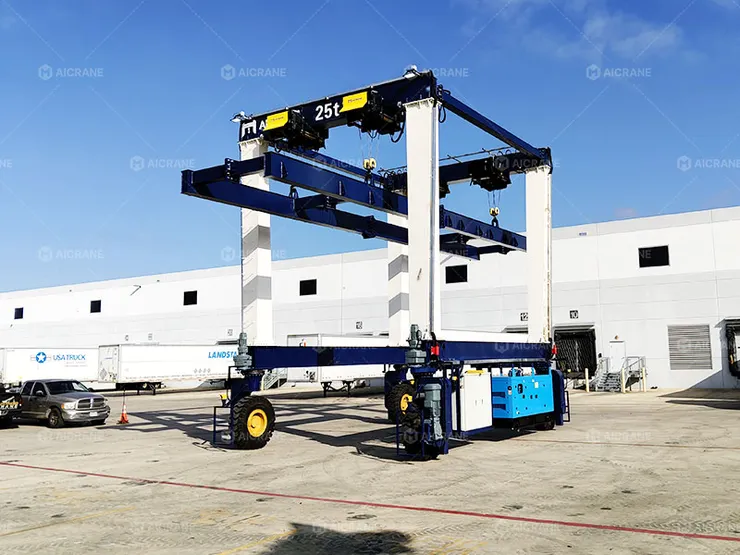
1. Why Training From Manufacturers Matters
1.1 Ensures Safe Operation
RTG cranes have complex mechanical, electrical, and control systems. Operators, technicians, and supervisors must understand crane dynamics, load handling, emergency procedures, and risk mitigation. Manufacturer‑provided training assures that trainees learn directly from the source of design knowledge, reducing risks of injury, accidents, and equipment damage.
1.2 Improves Efficiency and Uptime
Skilled operators work faster, make fewer errors, and handle challenging conditions with confidence. Better maintenance practices also reduce unplanned downtime. Manufacturers teach not only “how to run” the machine, but “how to keep it running,” maximizing throughput at container terminals.
1.3 Promotes Standardized Best Practices
Each manufacturer builds RTG cranes with unique technologies — from drive systems to software interfaces to remote diagnostics. Customized training standardizes best practices across operators, limiting improper handling that could lead to premature wear, structural stress, or system faults.
1.4 Supports Compliance and Certification
In many regions, port authorities and government agencies require certified operators and technicians for heavy lifting machines. Training programs from reputable RTG crane manufacturers often meet or align with regulatory frameworks, helping facilities maintain legal compliance.
2. Core Types of Training Programs Offered
RTG manufacturers tailor training programs to different audiences and skill levels. The major categories include:
2.1 Operator Training
Operator training is the most fundamental program. It focuses on safe and efficient crane operation, container handling procedures, control systems, movement strategies, and situational awareness. Typical topics include:
- RTG system components and purpose
- Control consoles and operator interfaces
- Start‑up, shutdown, and pre‑operation checks
- Load handling, lift strategies, and positioning
- Anti‑sway, auto‑leveling, and automated assist functions
- Emergency stops and fault response
- Environmental awareness (traffic, pedestrians, yard constraints)
This training blends classroom instruction with simulated and hands‑on crane experience.
2.2 Maintenance and Technical Training
Maintenance training is essential for supervisors, service engineers, and in‑house technicians. The curriculum is deeper and covers:
- Mechanical systems (hoist, trolley, gantry drives)
- Electrical systems (motors, drives, PLCs, sensors)
- Hydraulic components (if applicable)
- Control software and diagnostics
- Fault finding, troubleshooting and repair
- Scheduled preventive maintenance procedures
- Parts and wear component inspection
Trainees learn how to read schematics, use diagnostic tools, and maintain safety standards during maintenance tasks.
2.3 Supervisory and Safety Training
Supervisors and safety personnel require knowledge not just of how the RTG crane works, but how it interacts with yard operations, personnel, and logistics processes. This training covers:
- Safety standards and regulations (local/international)
- Risk assessment and hazard mitigation
- Incident investigation and reporting
- Ergonomics and operator fatigue management
- Yard workflow integration
This level of training strengthens an organization’s safety culture and operational discipline.
2.4 Simulation‑Based Training
Leading manufacturers invest in simulation tools that allow trainees to practice in a virtual environment. These simulators mimic real crane controls, yard layouts, traffic patterns, and realistic loads. Simulation training is effective for:
- New operator skill building without equipment risk
- Emergency scenario rehearsals
- Efficiency optimization drills
- Customized yard scenario modeling
Simulation bridges the gap between theory and real‑world performance.
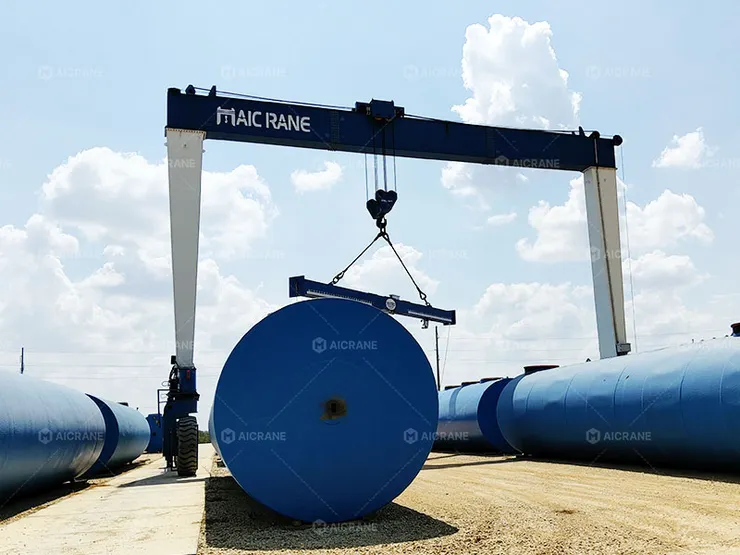
3. Customized Training Approaches
Manufacturers design training programs based on client needs and facility specifics. Common customization features include:
3.1 On‑Site vs. Classroom
On‑site training allows teams to learn using their actual equipment, environment, and supervisors. Classroom instruction, conversely, covers theory, concepts, and foundational knowledge — often at the manufacturer’s training center.
3.2 Language and Regional Adaptation
Global manufacturers tailor content for local languages, regulations, and yard practices to ensure accessibility and relevance.
3.3 Shift‑Based or Modular Sessions
Facilities with busy operations often schedule training in modules to reduce disruption. Modules can be arranged daily, weekly, or across phases.
3.4 Blended Delivery
Training may combine online e‑learning, video modules, live instruction, and hands‑on practice. This blended model helps reinforce knowledge over time.
4. Key Components of Manufacturer Training Curricula
Training programs are comprehensive and systematic. A typical structured program includes:
4.1 Theory and Fundamentals
- Introduction to RTG crane functions
- Physics of loads, center of gravity, and balance
- Motion control basics
- Safety standards and codes
This section forms the groundwork for applied learning.
4.2 System Familiarization
Trainees are introduced to:
- Drive systems
- Remote control or cabin console
- Electrical, hydraulic, and mechanical systems
- Software interfaces and alarms
- Sensors, limit switches, safety devices
Understanding system architecture prevents operator confusion and technician errors.
4.3 Practical Exercises
Hands‑on tasks may include:
- Routine inspections
- Start‑up checks
- Basic operations
- Simulated faults and recovery
- Maintenance exercises
- Emergency response drills
Supervised practice builds confidence and reinforces safe performance.
4.4 Evaluations and Testing
Progress is measured through:
- Written quizzes
- Practical ability tests
- Simulation performance scores
- Final competency checks
Evaluations help ensure tangible learning outcomes.
4.5 Certification
Many manufacturers provide certificates of completion. Certificates document skills for internal training records, regulatory compliance, and professional credentials.
5. Benefits Realized by Facility and Staff
Training generates measurable outcomes that extend beyond individual skill improvement:
5.1 Improved Safety Records
Facilities with trained operators report fewer incidents, near misses, and safety violations. Workers understand risks and know how to mitigate them.
5.2 Higher Operational Efficiency
Operators execute lifts more smoothly, reducing cycle times. Maintenance teams prevent failures with structured routines learned during training.
5.3 Lower Total Cost of Ownership (TCO)
Trained teams cause fewer equipment stresses, perform accurate maintenance, and reduce unnecessary repairs — lowering operating costs and extending machine life.
5.4 Enhanced Workforce Development
Employees gain confidence and career progression opportunities. Skilled operators and technicians improve morale and retention.
6. Long‑Term Training and Support
High‑quality manufacturers don’t stop after initial training. Many offer:
6.1 Refresher Courses
For seasonal operators or advanced technologies.
6.2 Ongoing Technical Support
Hotlines, remote diagnostics, diagnostic software updates, and periodic site visits.
6.3 Training for New Features
As automation, digital integration, and AI‑powered assistance evolve, manufacturers provide updated curricula.
7. Technology Enhancements Shaping Training Programs
Forward‑looking RTG training embraces innovation:
7.1 Smart Simulators
Advanced simulators with physics engines, AI‑generated scenarios, and remote access allow trainees to practice without physical equipment downtime.
7.2 Virtual and Augmented Reality (VR/AR)
VR allows fully immersive training, while AR tools aid technicians with overlays during maintenance.
7.3 E‑Learning Platforms
Modular online courses provide flexible learning paths that trainees can revisit for reinforcement.
7.4 Data‑Driven Feedback
Telematics and machine data help trainers tailor instruction, showing areas where operators or techs need targeted improvement.
8. Case Example: Effective Training Implementation (Hypothetical)
Consider a large container terminal that recently acquired 20 new RTG cranes. Instead of generic classroom sessions, the manufacturer:
- Conducted a needs assessment, identifying operator experience levels.
- Designed custom modules blending classroom theory, simulation, and on‑site practice.
- Offered multi‑language instruction to accommodate diverse staff.
- Provided refresher training three months after initial onboarding.
- Introduced digital diagnostic tools integrated with technician training.
Results included measurable decreases in equipment faults, improved load cycle times, and higher employee satisfaction scores.
9. Conclusion
Training programs provided by RTG crane manufacturers are not optional add‑ons — they are strategic investments in safety, productivity, and long‑term success. Well‑designed programs build a foundation of knowledge, embed consistent best practices, and empower operators and maintenance teams to achieve peak performance.
As RTG technologies continue to advance, training will become even more integral, leveraging digital tools, simulation, and adaptive learning. For facilities seeking to maximize return on heavy gantry crane equipment, manufacturer‑backed training programs are a competitive advantage that drives real, measurable outcomes.