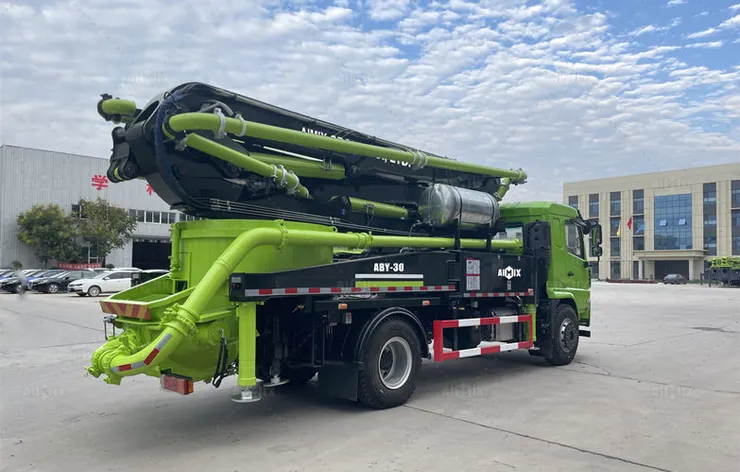
Selecting the appropriate boom length for your concrete pump with boom represents one of the most critical decisions when planning urban housing construction, requiring clear and strategic communication with your concrete pump company. The dense environment of city construction sites—characterized by limited space, height restrictions, and surrounding structures—demands precise coordination between project managers and pump providers to ensure the chosen equipment meets all operational requirements without compromising safety or efficiency. Effective dialogue with the concrete pump company should address not just the basic specifications of the concrete pump with boom, but also the unique challenges of urban residential projects, including accessibility constraints, pour volume requirements, and neighborhood considerations. This comprehensive guide explores proven communication strategies to help contractors articulate their needs accurately and collaborate with pump providers to select boom configurations that maximize productivity while navigating the complexities of urban house building.
Understanding Urban Housing Project Requirements Before Initial Consultation
Before contacting a concrete pump company, construction teams should conduct an internal assessment of their project's specific demands to facilitate more productive discussions about concrete pump with boom selection. Urban housing developments typically involve multi-story structures with varying floor plans, often situated on compact lots surrounded by existing buildings, power lines, or other obstacles that influence boom positioning. Prepare detailed site maps highlighting all relevant dimensions—including building height, setback distances from property lines, and overhead clearance requirements—to share with the concrete pump company during initial consultations. Document the project's concrete placement needs, including maximum pour heights, required output volumes per hour, and any architectural features (such as courtyards or setbacks) that might require extended horizontal reach from the pump's setup position. This preparatory work enables more meaningful dialogue with pump providers and helps prevent the common pitfall of selecting boom lengths based solely on vertical requirements while neglecting horizontal reach necessities in confined urban sites.
Key Technical Factors to Discuss with the Concrete Pump Company
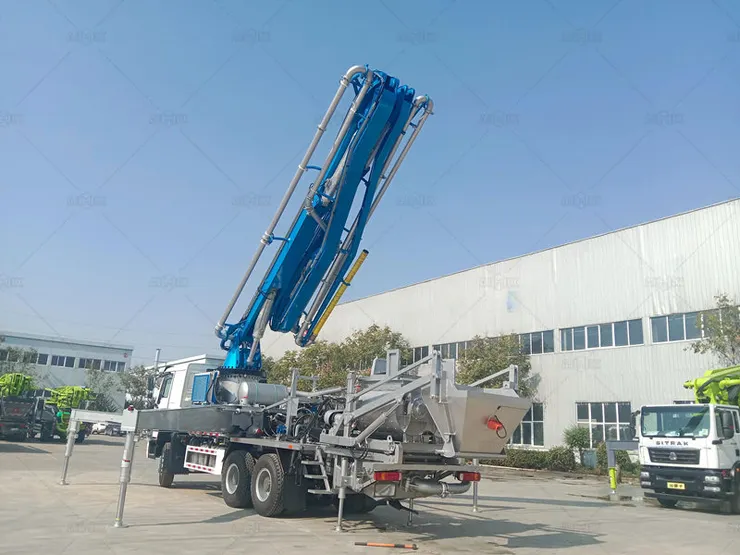
When engaging with a concrete pump company about concrete pump with boom options for urban housing, several technical considerations should form the core of your discussions. The relationship between boom length and pump placement deserves particular attention—while longer booms (typically 30-45 meters) provide greater flexibility in positioning the pump truck, they also require more setup space and come with higher rental costs that may not be justified for smaller residential projects. Inquire about the company's boom pipeline diameter options, as narrower pipelines (125mm versus 150mm) on longer booms can affect concrete flow rates and pumping pressure, potentially impacting placement efficiency for certain mix designs. Discuss the pump's outrigger deployment requirements with the concrete pump company, as urban sites often have limited space for full outrigger extension, which may necessitate creative positioning solutions or selection of pumps with compact outrigger configurations. The conversation should also cover boom articulation capabilities, as some urban housing projects benefit more from booms with greater vertical folding (for working under power lines) versus those optimized for horizontal reach around obstacles.
Site Accessibility and Setup Considerations for Urban Locations
One of the most crucial aspects to communicate with your concrete pump company involves the specific access challenges presented by urban housing construction sites. Narrow streets, limited turning radii, parking restrictions, and overhead obstructions all influence both the type of concrete pump with boom that can be deployed and where it can be positioned for optimal operation. Provide the pump provider with detailed information about street widths, any weight restrictions on local roads, and available setup areas near the construction site—many urban projects require pumps to operate from adjacent streets or even neighboring properties. Discuss the timing of concrete deliveries with the concrete pump company, as some municipalities only allow heavy equipment like pump trucks to operate during specific hours in residential areas. In extremely constrained urban environments, explore alternative solutions the company might offer, such as trailer-mounted pumps with shorter booms that can be positioned in unconventional locations or specialized pumps designed for zero-clearance setups where outriggers cannot fully extend.
Safety and Regulatory Compliance Discussions
Urban housing projects introduce numerous safety considerations that should be thoroughly addressed when selecting a concrete pump with boom through your concrete pump company. The proximity of residential neighborhoods, pedestrian traffic, and underground utilities requires careful planning that goes beyond basic equipment specifications. Engage the pump provider in detailed conversations about their safety protocols for working near power lines—while all booms maintain mandated clearance distances, urban sites often have complex overhead wiring that demands special attention. Discuss the company's experience with urban projects similar to yours, including their procedures for managing concrete spillage, noise control during early morning pours, and traffic management plans for pump truck positioning. Verify that the concrete pump company carries appropriate insurance coverage for urban operations, including protection against potential property damage claims from adjacent buildings or infrastructure. These safety dialogues should also cover emergency procedures specific to dense urban environments, such as rapid boom retraction protocols if unexpected hazards emerge during pumping operations.
Financial Considerations and Cost Optimization Strategies
Effective communication with your concrete pump company should include transparent discussions about the cost implications of various concrete pump with boom options to ensure budget alignment without compromising project needs. Longer booms typically command higher rental rates, so work with the provider to determine whether a slightly shorter boom with strategic positioning could achieve the same results at lower cost—many urban housing projects find that a 32-meter boom properly positioned can serve as effectively as a 38-meter unit in less optimal locations. Inquire about package deals if your project requires multiple pours over time, as some concrete pump company providers offer discounted rates for block bookings. Discuss potential cost-saving alternatives like shared pumping schedules with neighboring construction sites when feasible, allowing splitting of mobilization fees. Be clear about your project's timeline flexibility, as some companies offer lower rates for mid-week or off-peak scheduling when their equipment might otherwise be idle. These financial conversations should balance immediate rental costs against potential productivity gains—a slightly more expensive pump with faster cycle times or greater placement accuracy may prove more economical overall when considering labor savings and reduced concrete waste.
Coordination with Concrete Suppliers and Placement Crews
The selection of an appropriate concrete pump with boom requires coordination that extends beyond the concrete pump company alone, necessitating clear communication channels with concrete suppliers and placement teams. Discuss your pump selection process with ready-mix suppliers to ensure their truck fleet can maintain consistent delivery intervals compatible with your chosen pump's capacity—urban sites often have limited space for mixer truck staging, requiring precise timing. Facilitate introductions between your concrete pump company and concrete supplier when possible, allowing them to coordinate technical details like slump requirements and set time additives that affect pumping performance. Prepare your placement crew to work efficiently with the selected boom configuration by sharing the pump provider's operational guidelines in advance, particularly regarding communication protocols between pump operators and nozzle handlers in tight urban spaces. This holistic approach to communication ensures all parties understand how the concrete pump with boom integrates with other project elements, minimizing disruptions during critical pouring operations.
Technological Integration and Modern Pump Features
Contemporary concrete pump with boom units incorporate advanced technologies that can significantly enhance urban housing construction efficiency, making these features important discussion points with your concrete pump company. Explore whether available pumps include remote control operation capabilities, which prove particularly valuable in confined urban sites where the operator needs flexible viewing angles. Discuss pumps equipped with automatic pressure regulation systems that adjust output based on real-time resistance—a valuable feature when pumping to upper floors of housing projects where line pressure fluctuates. Inquire about telemetry systems that allow project managers to monitor pump performance metrics remotely, useful for tracking productivity across multiple urban sites. The concrete pump company may also offer pumps with enhanced noise reduction technology, an important consideration for residential areas with strict noise ordinances. These technological aspects should be weighed against project-specific requirements—while advanced features often justify their additional cost through improved efficiency, simpler pumps may suffice for straightforward urban housing projects with basic placement needs.
Contingency Planning and Alternative Solutions
Even with careful planning, urban housing projects frequently encounter unexpected challenges that require flexible solutions from your concrete pump company. Discuss contingency plans for scenarios like last-minute street closures that prevent pump truck access or weather events that delay scheduled pours. Understand the company's policy and availability for emergency equipment swaps should your selected concrete pump with boom encounter mechanical issues during critical operations. Explore alternative pumping methods the provider might offer, such as stationary pumps with extended pipeline systems that could serve as backups when boom pumps face unexpected access limitations. These discussions should also cover the company's response times for service calls in urban areas and whether they maintain local parts inventories for rapid repairs—factors that significantly impact project timelines when working in dense city environments where delays have cascading consequences.
Building Productive Partnerships for Urban Success
Effective communication with your concrete pump company about concrete pump with boom selection ultimately comes down to establishing a collaborative partnership based on mutual understanding of urban housing project requirements. By approaching these discussions with comprehensive site information, clear performance expectations, and openness to expert recommendations, contractors can secure pumping solutions that balance technical requirements with practical urban constraints. The ideal outcome results in a boom configuration that provides sufficient reach and flexibility while optimizing setup logistics and cost-efficiency—a balance achieved through transparent dialogue about all project parameters. As urban housing continues to grow more complex, with taller structures on smaller lots and increasing neighborhood considerations, the ability to strategically select and deploy the right concrete pump with boom through effective concrete pump company collaboration becomes ever more critical to project success. These communication practices not only ensure appropriate equipment selection for current projects but also build relationships that streamline planning for future urban developments.