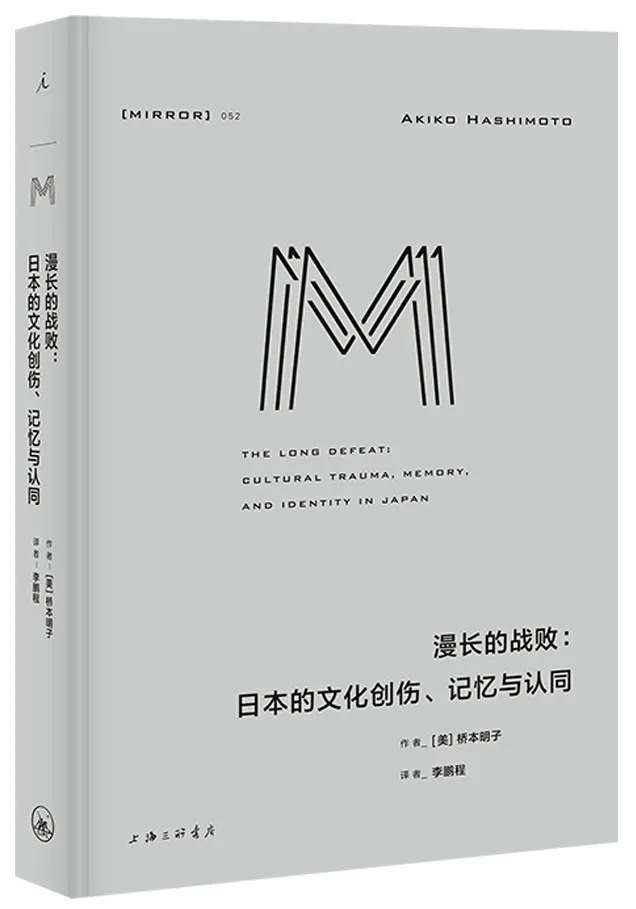
Reflecting on Akiko Hashimoto’s The Long Defeat:
Why Japan’s War Memory Still Matters TodayWhat is this book about?
Akiko Hashimoto's The Long Defeat examines how Japan has dealt with—or avoided dealing with—its wartime past. Rather than treating 1945 as a clear ending, she shows that Japan entered a long, unresolved battle over memory: how to remember the war, who is responsible, and what the nation chooses to forget.
Why does this matter?
Because collective memory shapes national identity. In Japan's case, the struggle over remembrance allowed multiple narratives to coexist:
- narratives of victimhood (Hiroshima, Nagasaki),
- narratives of honor and sacrifice,
- and narratives that downplay or relativize Japan's aggression in Asia.
This “memory conflict” is not just academic—it affects diplomacy, regional trust, and the dignity of those who suffered.
What is the core problem?
Even after decades, Japan's mainstream society has not fully confronted the moral weight of its wartime actions. Selective remembrance and strategic forgetting create a gap between the victims' lived history and Japan's public narrative. And when this gap persists, the wounds do not heal.
Why respond now?
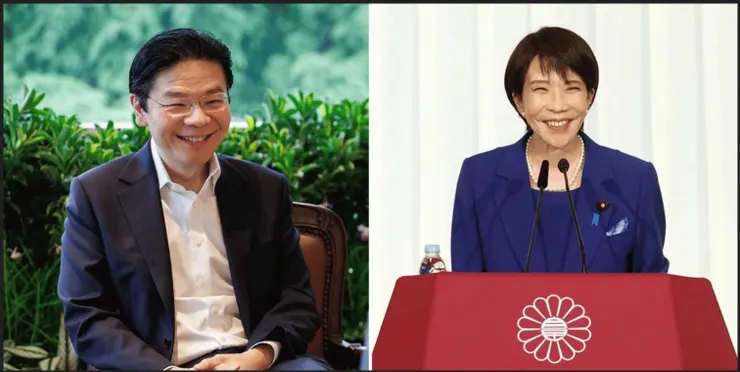
Because comments like those from Lawrence Wong—calling on victims to “let go of hatred”—misunderstand the situation entirely. Before asking victims to “move on,” the world should first ask: Has the perpetrator truly faced their past?
Have they sought forgiveness? Have they shown the humility that genuine reconciliation requires?
If the answer is no, then expecting victims to “forgive” becomes another form of injustice.
How should dignity be preserved?
For people whose families suffered, memory is not an abstract moral lesson—it is part of their identity, their history, and their defense against future harm. Victims have the right to remember, to speak, and to remain vigilant—especially when those who caused the harm have never sincerely sought forgiveness.
This is not about revenge; it is about dignity, clarity, and self-protection.
To remember is to ensure that the same hands never hold a knife over you again.