現代人普遍陷入一種悖論:工作需要高效率,但我們卻把這套邏輯延伸到生活之中。每天追求績效、追求產出、追求安排滿滿的休閒活動,下班後的時間反而變成另一份無形的工作。久而久之,我們開始習慣於「窮忙」,甚至無法真正放鬆。
在農業社會,人們的生活節奏被自然節律規範:太陽落山就停止工作,季節與天氣決定了作息。那時候,生活有其內在的界限,也因此人們能夠在休息中恢復能量。而工業化社會後,光亮與機器打破了自然的節奏,市場與績效取代了天光與季節,時間變成了無限可填的資源。工作之外的生活,也被潛移默化地工作化,興趣、休閒、旅行甚至放空都可能被量化,成為另一種績效。
媒體與社群進一步強化這種心理壓力,告訴我們生活必須精彩、休閒必須有效、興趣必須產出。於是,人們無法放下心,永遠在追求更多的外在刺激,而不是回到自我內在的呼吸與喘息。
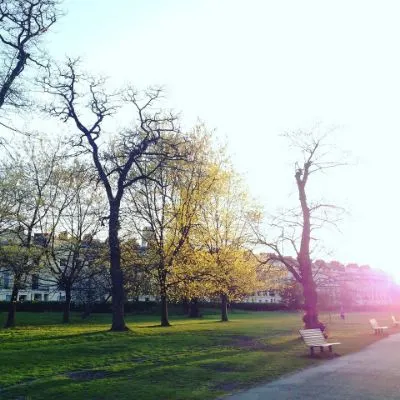
真正的放鬆,其實不在於忙得多、做得多,而在於能夠慢下來,無須衡量、不需展示。慢慢喝杯茶、靜靜散步、偶爾空白,這些看似「無用」的時刻,才是生活真正的能量來源。學會區隔工作與生活,讓效率留在工作裡,而生活回歸自身的節奏,才是現代人能夠真正恢復的方式。
The Rhythm of Work and Life
Modern life presents a paradox: while work demands high efficiency, we extend the same logic to our personal time. In chasing productivity, outcomes, and fully packed leisure schedules, our after-work hours often become an invisible second job. Over time, we get used to being perpetually busy, yet never truly relaxed.
In agricultural societies, people’s rhythms were dictated by nature: work ended when the sun set, and seasons determined daily routines. Life had its boundaries, allowing energy to be replenished during rest. Industrialization broke these natural rhythms; machines and artificial lighting, combined with market pressures and performance metrics, turned time into an endlessly fillable resource. Even leisure and hobbies became subtly subject to work-like demands, where relaxation and travel could be measured as another form of achievement.
Media and social platforms amplify this pressure, telling us that life must be exciting, leisure must be productive, and hobbies must yield results. Consequently, people struggle to let go, constantly chasing external stimuli instead of returning to their own internal rhythm and breath.
True relaxation does not come from doing more or being busier. It lies in slowing down, allowing unstructured, unmeasured time: sipping tea, strolling quietly, or simply doing nothing.